
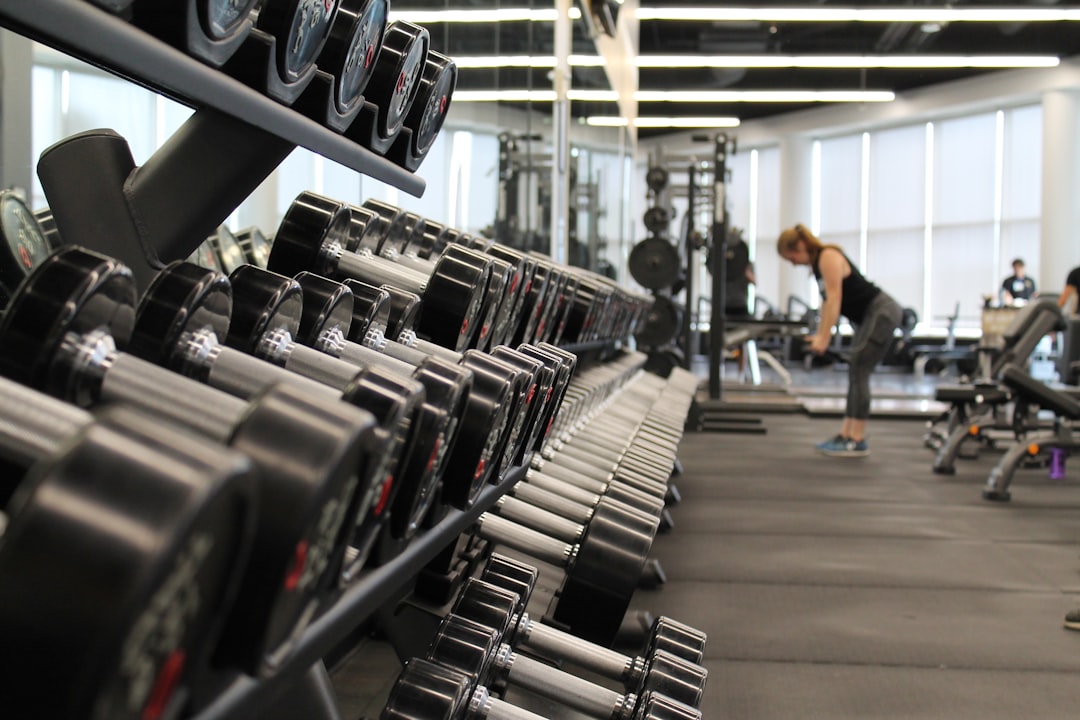
Most people at the gym have a version of the same confession. Arms get done. Chest gets sorted. Legs? Maybe next time.
I get it. A proper squat session leaves you walking funny for two days. The burn is real, the effort is disproportionate, and the mirror feedback feels slower than upper body work. So legs get pushed back, week after week.
But the case doctors are making for leg training has nothing to do with how you look. It is about how long you live, and how well.
Your Legs Are Running a Bigger Operation Than You Think
The muscles in your legs - quads, hamstrings, glutes, calves - are the largest muscle groups in your entire body. When they work, the energy demand is enormous. And that demand triggers effects that ripple through your whole system.
Dr. Anup Khatri, Senior Consultant in Orthopedics at Gleneagles Hospital Mumbai, put it plainly: most people think fitness is an upper-body game. It is not. The legs are where a huge portion of the body's metabolic work actually happens.
When large lower body muscles get regularly challenged, your body improves its ability to use insulin, burns more energy at rest, and gets significantly better at regulating blood sugar. That is not gym talk. That directly connects to your long-term risk of type 2 diabetes and metabolic disease.
Squats, lunges, step-ups, cycling, brisk walking - all of these put the body's biggest engines to work. The heart, the metabolic system, and the hormonal environment all respond.
The Quiet Decline That Starts in Your Legs First
There is a condition called sarcopenia. It is the gradual loss of muscle mass that comes with aging, and it almost always starts in the lower body.
You might not notice it for years. Then one day getting up from a chair takes more effort than it used to. Stairs feel steeper. Your balance is slightly off. You assume it is just aging.
Some of it is. But a lot of it is preventable.
The National Institute on Aging has been direct about this: strength training helps preserve muscle mass, improve balance, increase bone density, and keep people physically independent for longer. That word - independent - is doing a lot of work there. Being able to get up off the floor without help at 75. Carrying your own groceries. Hiking a trail at 70. These feel abstract until they are not.
Researchers covered in a Times of India feature on leg training and longevity noted that exercises like squats, lunges, and stair climbing improve bone mineral density, support joint health, and significantly reduce the risk of falls and fractures. Falls are one of the leading causes of serious injury in older adults. This is not a small thing.
The Heart Connection Nobody Talks About
When people want to improve cardiovascular health, they think running, cycling, swimming. What often gets overlooked is that compound lower body exercises create a comparable cardiovascular demand.
When you load your largest muscle groups, your heart has to work hard to supply blood to all that tissue. Do this consistently over months and years, and your cardiovascular capacity builds. The mechanism is different from steady-state cardio, but the direction of effect is similar.
If you hate running but want better heart health, your squat rack is not a bad starting point.
What This Actually Looks Like
You do not need a complex programme. The basics work:
Bodyweight or weighted squats
Lunges, walking or stationary
Step-ups on a bench or stairs
Cycling or brisk walking on a regular basis
Two dedicated lower body sessions a week is enough to make a measurable difference over time, especially if you have been avoiding them entirely. Even choosing the stairs consistently, every day, has a cumulative effect that shows up years later.
The Longer Game
I think about fitness differently now than I did five years ago. It is less about the mirror and more about what I want to be capable of at 60 and 70.
Strong legs are one of the clearest predictors of functional independence in later life. And they are something most people actively choose to skip, over and over.
The research keeps landing in the same place. Lower body training touches heart health, bone density, blood sugar regulation, fall prevention, metabolic function, and longevity. That is a remarkable return on a workout most people are avoiding.
Next leg day, maybe do not reschedule it.
Frequently Asked Questions
Does leg training really help with heart health, or is that just cardio territory?
Both help, but in slightly different ways. Compound lower body exercises like squats create a significant cardiovascular demand because they recruit the body's largest muscle groups. Over time, this builds heart and lung capacity in a way that is genuinely comparable to moderate cardio. It is not a replacement for all forms of aerobic exercise, but it contributes more to heart health than most people realise.
How often do I need to train legs to actually see health benefits?
Two sessions a week is a solid starting point. You do not need extreme volume. Consistency over months and years matters far more than any single brutal session. Even adding one dedicated lower body workout per week is better than none.
I have bad knees. Can I still do leg training?
Yes, with the right approach. Lower impact options like step-ups, cycling, seated leg presses, and certain forms of lunges can work well with knee issues. The key is building strength around the joint gradually rather than avoiding the area entirely. If you have an existing injury, it is worth checking with a physio before loading up.
At what age should I start taking lower body training seriously?
As early as possible, but it is never too late to start. Muscle loss begins in most people during their thirties and accelerates through the forties and fifties. Starting earlier gives you a bigger reserve to draw on. Starting later still has meaningful benefits, including improved balance, bone density, and metabolic function.
Is there a connection between leg strength and blood sugar control?
Yes, and it is more direct than most people realise. Large muscle groups consume significant glucose when they work. Regular lower body training improves insulin sensitivity, which means your body handles blood sugar more efficiently. This is relevant for metabolic health, weight management, and reducing long-term risk of type 2 diabetes.
What is the simplest leg day routine for someone just starting out?
Start with bodyweight squats, walking lunges, and step-ups. Do two to three sets of each, two times a week. Add weight gradually once the movements feel comfortable. Stair climbing in daily life also counts more than people give it credit for.