
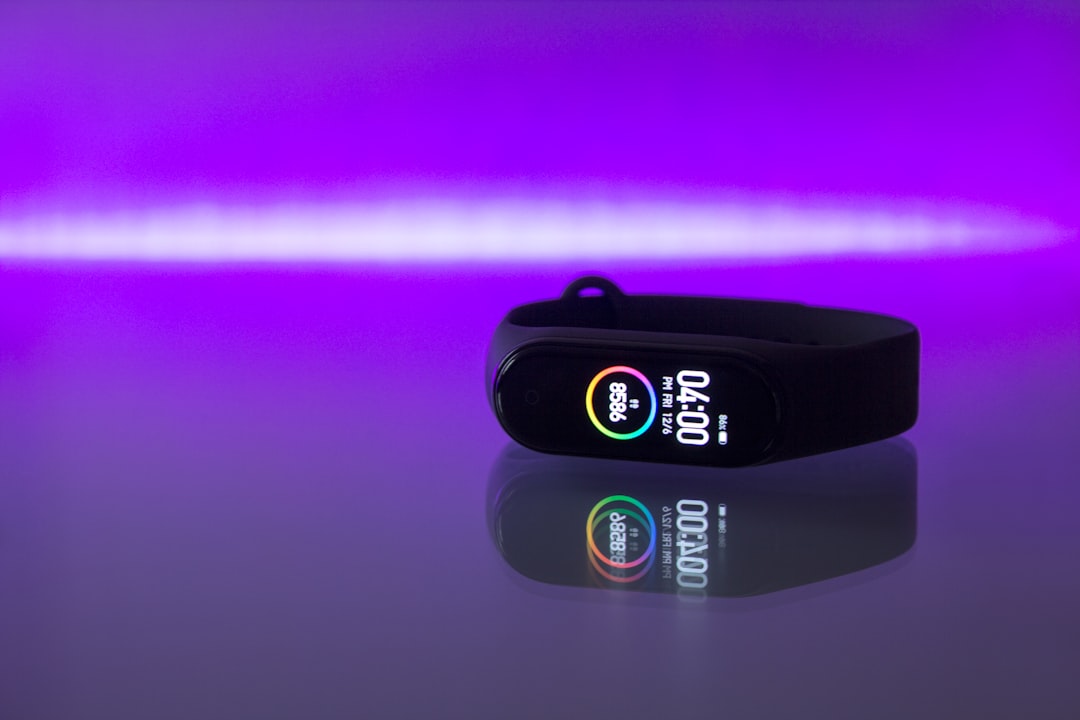
I've been thinking about this one for a while. You buy a fitness tracker, it vibrates on your wrist, tells you how stressed you are, how deeply you slept, how many calories you burned on your lunch walk. It feels like having a little health lab strapped to your arm. But is any of it actually true?
Dr. Michael Dakkak, a sports medicine physician at the Cleveland Clinic, reviewed more than 200 studies on commercially available fitness trackers. His finding is worth reading twice: only 11% of those trackers have been validated for even a single metric. And that metric is step count.
Just steps.
That's not a knock on the devices entirely. But it should change how you interpret everything else they tell you.
What Your Tracker Gets Right
Heart rate is probably the metric you can lean on most. Active heart rate during exercise and resting heart rate measured at calm moments both tend to be fairly reliable across most popular devices. If you're training to stay within a specific heart rate zone, or tracking whether your resting heart rate is creeping up during a stressful week, that number is useful.
Step counting, as boring as it sounds, is also solid. It's the one metric that has actually been put through rigorous testing, and for most trackers, it holds up well enough to be meaningful.
Where the Numbers Start to Get Wobbly
Here's where things get more complicated, and where most trackers oversell their capabilities.
Calories burned. Stress levels. Sleep quality. These are probably the three metrics people care about most when they buy a tracker, and they're also the ones Dr. Dakkak flags as significantly less accurate.
The reason isn't that the companies are being dishonest, exactly. It's that the data these metrics require is more complex than a wrist sensor can reliably capture. Your calorie burn depends on metabolic rate, body composition, and how your body actually responds to exertion, none of which a small optical sensor can measure directly. It's estimating based on your heart rate and movement patterns, and that estimate can be off by a meaningful margin.
Stress is even trickier. Heart rate variability can give hints, but turning that into a "stress score" involves a lot of assumptions. Sleep quality is similar. Whether you're in deep sleep or light sleep involves brain activity that a wearable simply cannot access. What trackers pick up are proxies, movement and heart rate, and they build a picture from those. It's imperfect.
As Yahoo Tech reported on the Cleveland Clinic findings, there is still a lot the research community doesn't fully understand about how these devices perform in real daily use conditions.
The Better Question to Ask Before You Buy
Dr. Dakkak's framing is the most practical I've come across on this topic. Before handing over your money, ask yourself a few honest questions.
What are you actually trying to improve? If the answer is "I want to move more and build a habit around it," a basic tracker can genuinely help with that. The accountability loop of seeing your step count or getting a nudge to stand up is real, even if the underlying numbers aren't clinically precise.
Do you need objective feedback, or do you need motivation? Those are different things, and they might lead you to different devices, or no device at all.
And the honest one: will you actually wear it? A tracker that spends three days a week in the charger gives you fragmented data that tells you very little. The consistency of wearing it matters more than which model you picked.
You Don't Need a Tracker to Track Progress
This is something that gets lost in the marketing noise around wearables. Before-and-after photos, body measurements, keeping a simple log of how your workouts feel, these approaches have been working for decades. They capture things a sensor cannot, like how your energy levels have shifted, whether you're recovering faster, how your clothes fit after a month of consistent effort.
Fitness trackers are tools, not truth machines. Used with the right expectations, they can support a healthy habit. Treated as a definitive health dashboard, they can send you chasing numbers that don't mean what you think they mean.
If you're buying one, buy it for accountability and general trend awareness. If you're expecting a clinical picture of your health, you'll be working with much rougher data than the device suggests.
Frequently Asked Questions
Are fitness tracker calorie counts accurate?
Generally, no. Calorie burn is one of the least accurate metrics on most trackers. The devices estimate based on heart rate and movement, which doesn't account for individual metabolic differences. The number can give you a rough sense of effort, but don't base a calorie deficit plan on it.
Can I trust my fitness tracker's sleep data?
Treat it as a rough guide, not a diagnosis. Trackers use movement and heart rate to estimate sleep stages, but they can't measure brain activity, which is what clinical sleep studies use. If the data points consistently in the same direction, that trend is worth paying attention to. Single-night scores less so.
Is a fitness tracker worth buying in 2026?
Depends on your goal. If you want accountability, a nudge to move more, and a general sense of your activity trends, yes, it can be worth it. If you're hoping for precise health data across every metric, the science isn't there yet for most consumer devices.
What fitness tracker metrics are actually reliable?
Heart rate, both resting and active, tends to hold up well. Step count is the one metric that has been validated across the most devices. Everything else, calories, stress, sleep quality, should be treated as directional estimates rather than precise readings.
Do fitness trackers help with weight loss?
Indirectly, yes. The habit-forming and accountability aspects can support a weight loss effort. But relying on the calorie burn numbers to manage your deficit precisely is risky, given how much those estimates can vary from your actual burn. Use the tracker to stay consistent, not to do the math for you.
Should I worry if my tracker shows high stress levels?
Not too much on a single reading. If you consistently see elevated stress scores during periods you know are hectic, that pattern might be worth noting. But a single spike, especially after coffee, exercise, or a bad night, doesn't mean much on its own. Context matters more than the number.