
Ideas, patterns, and small experiments
Thoughts on tracking, self-knowledge, and what AI can do with your own data.
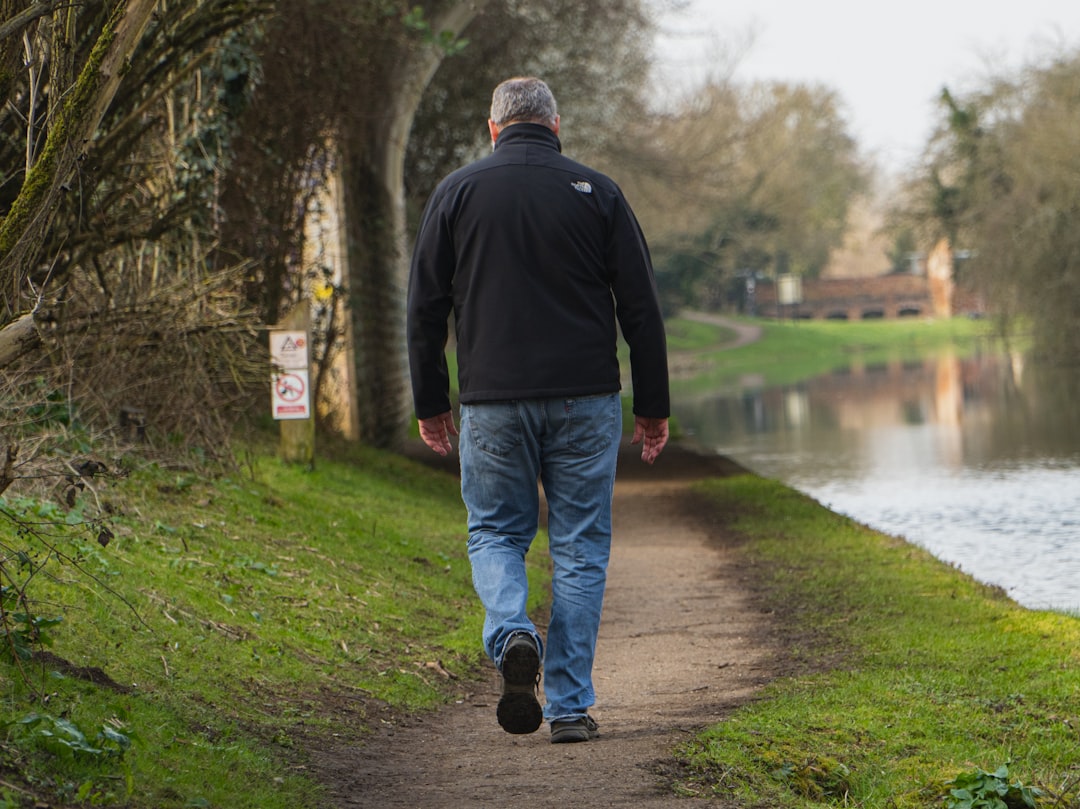
13 Extra Years Without Dementia: The 3 Numbers That Actually Matter in Midlife
A large study tracked over 12,000 people for more than 26 years and found that managing three specific health markers in midlife can extend dementia-free life by over a decade. Here's what the research actually says.
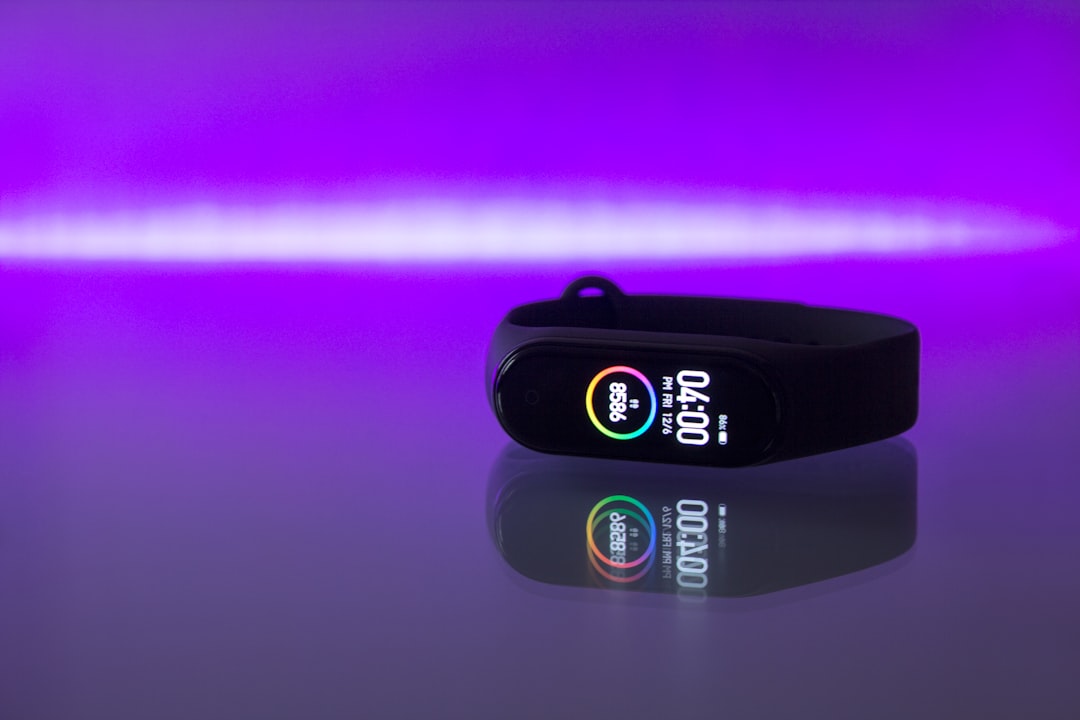
No Screen? No Problem. The Screenless Fitness Tracker Is Having Its Moment in 2026
Screenless fitness trackers are quietly taking over in 2026, from a $70 band to a $399 ring. Here's what's driving the shift and how to pick the right one.

You Were Told to Avoid Full-Fat Dairy. The Research Disagrees.
A 12-week Canadian study found that three daily servings of full-fat dairy did not worsen weight, cholesterol, or insulin resistance. Here is what that actually means for how you eat.

Your Sleep Tracker Might Be the Reason You Can't Sleep
There's a name for the anxiety that comes from obsessing over sleep data. It's called orthosomnia, and it's quietly making insomnia worse for a lot of people who thought they were doing everything right.
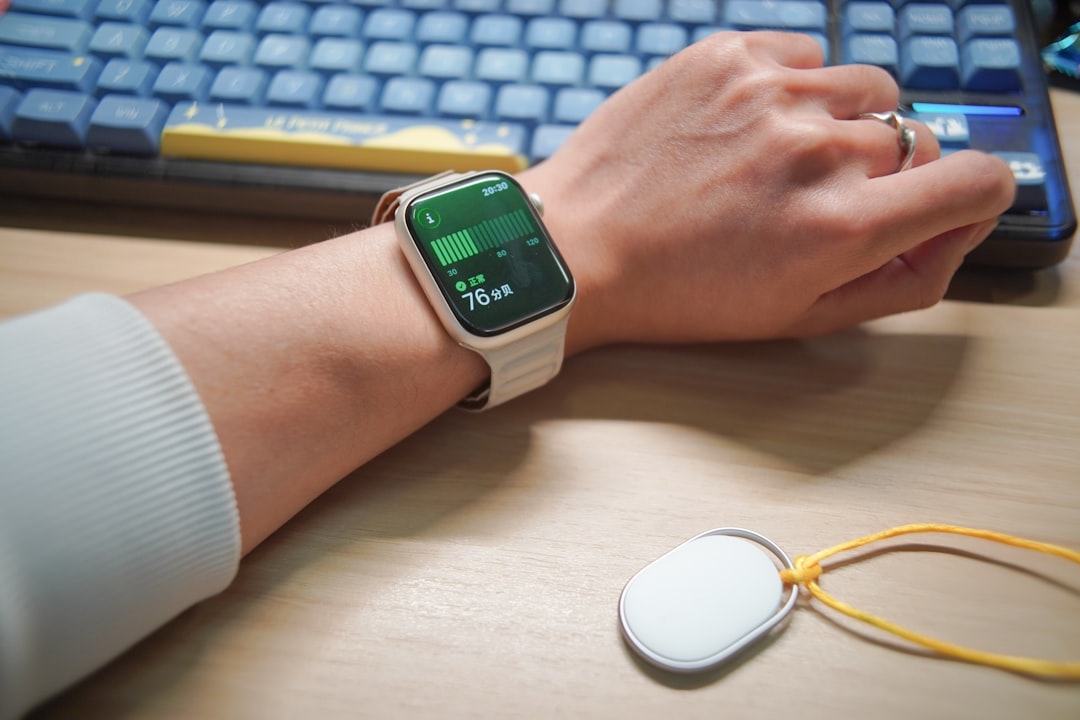
Your Fitness Tracker Isn't Really a Fitness Tracker Anymore
The $44 billion wearables industry has quietly shifted its ambitions from counting steps to embedding itself in your doctor's office. Here's what's actually happening — and why it matters.
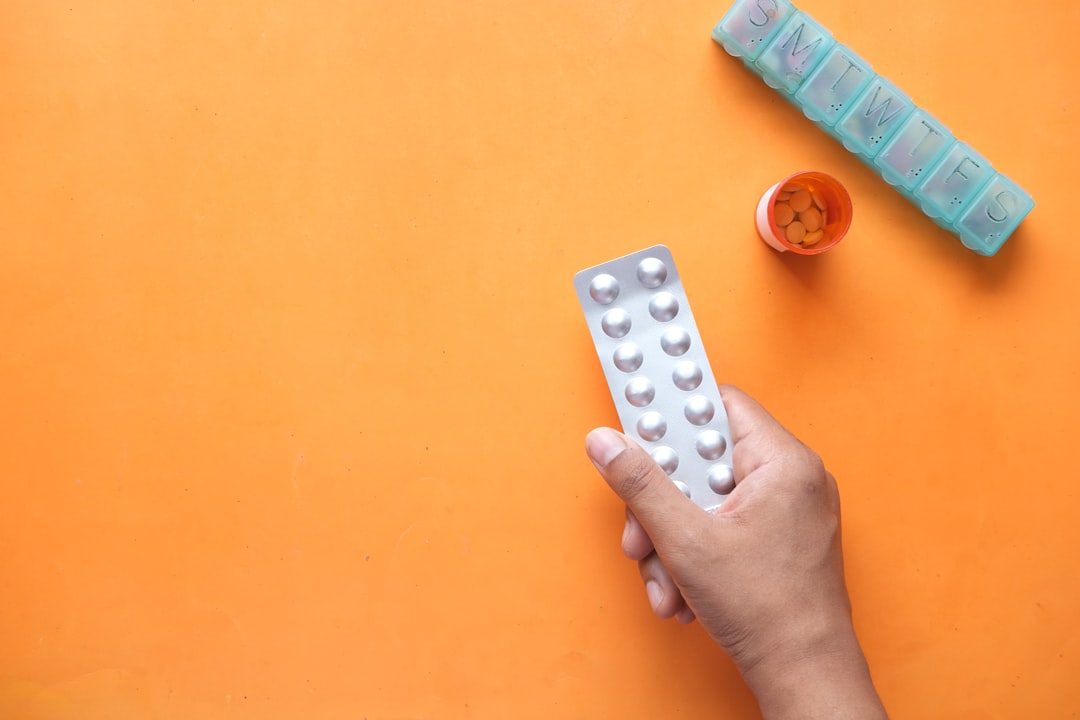
The Ozempic You Can Swallow: What the New Oral GLP-1 Pill Trial Actually Showed
A new once-daily tablet called aleniglipron helped people lose up to 12% of their body weight in 36 weeks. Here is what the phase 2 results mean, and what still needs to happen before this reaches a pharmacy near you.
Showing 1–6 of 16 posts