
The Score Nobody Knows What to Do With
You wake up. You open your sleep app. Your score is 62. You feel vaguely guilty, a little anxious, and still tired. So you get on with your day anyway.
This is the quiet failure sitting at the center of most sleep tracking technology. You get a number. Maybe a breakdown of your REM cycles, your deep sleep percentage, your heart rate variability overnight. And then you're on your own.
I've heard this pattern from a lot of people. They buy a sleep tracker, obsess over the score for a few weeks, and then either stop checking it or start every morning feeling worse about themselves. The tracker didn't help them sleep better. It gave them something new to stress about, which is probably making sleep worse.
The question worth asking isn't how did I sleep last night. It's what do I do about it.
A Clock That Actually Learns From You
Hatch just launched the Sleep Clock, priced at $249, and what makes it worth talking about isn't the hardware. It's the thinking behind it.
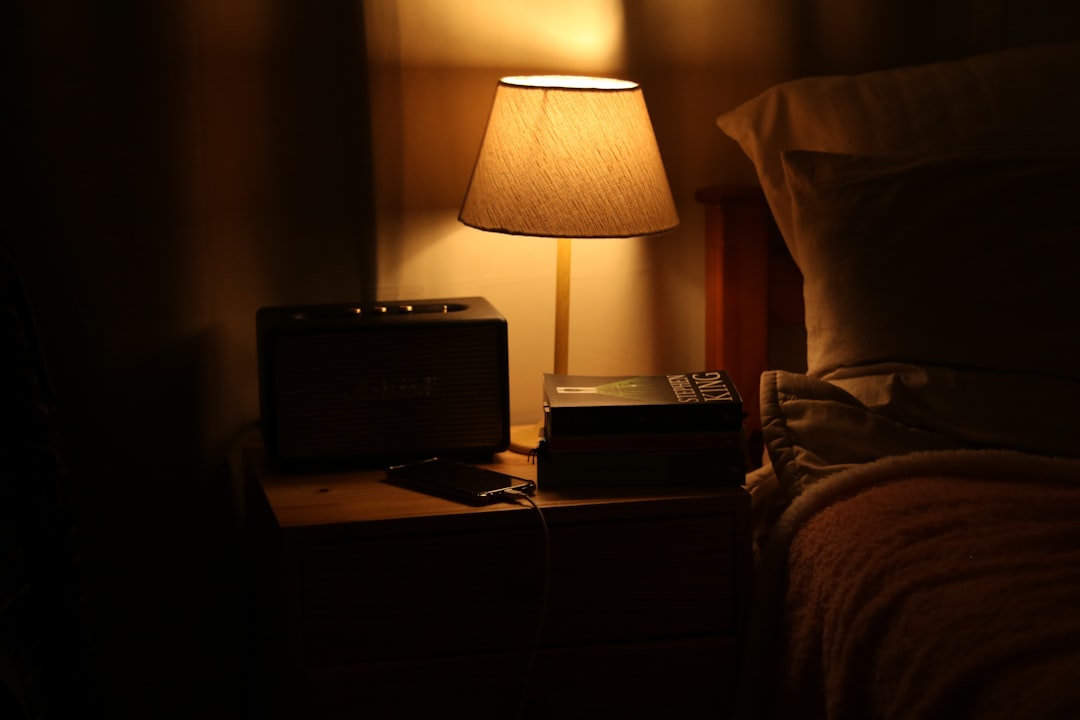
There's no wearable involved. No ring, no watch, no band on your wrist. The clock sits on your nightstand and uses ultra-low-power radio signals to detect breathing and movement. Completely contactless, which also sidesteps the privacy concerns that come with camera-based monitoring.
But the bigger shift is what it does after it collects that data. Instead of giving you a score and moving on, it learns which audio actually helps you wind down, tracks how consistent your bedtime is, and then adjusts your evening routine around what's working for you specifically. The co-founder described the goal simply: not to build another sleep tracker, but to help people actually sleep better.
That framing matters. The Sleep Clock breaks its approach into four areas: tracking which sounds help you fall asleep, nudging your bedtime when consistency is slipping, offering sleep hygiene guidance rooted in cognitive behavioral therapy principles, and making real-time suggestions based on your actual patterns. That's a coaching loop. Not a report card.
The optional Hatch Plus subscription at $6 per month opens up a library of over 2,500 sleep-focused audio tracks, from sleep stories to ASMR. Whether you need it depends on how much you lean on audio to wind down.
When a Wearable Actually Moved the Needle
On the other side of the approach: the Oura Ring 5, available from $399. A writer working alongside a sleep doctor recently documented going from a consistent six hours of sleep to hitting seven, using the ring's data to guide targeted changes.
What moved the needle wasn't the headline metrics. It was the specifics. Activity reminders during the day, because moving consistently improved sleep quality at night. Bedtime prompts timed around their wake-up target. A latency metric showing exactly how long it was taking them to fall asleep, which pointed to a fixable habit.
The difference between a tracker that tells you your sleep efficiency was 74% and one that says you've been sedentary for three hours and it's likely affecting your night is the difference between data and a prompt. The Oura Ring, used with the right intent, pushed into coaching territory rather than just measuring.
Sleeping under seven hours a night is a bigger deal than most people treat it. Research from Oregon Health and Science University found it decreases life expectancy more than poor diet or lack of exercise. A study by Vitality and the London School of Economics found that hitting seven hours consistently, within the same one-hour window at least five nights a week, could add four years to a person's life. That's not a small thing.
Sleep Consistency Might Be More Important Than Total Hours
Researchers at King's College London recently analyzed data from over 3,000 adults wearing Fitbits over several months, combining wearable data with genomic information and health records. They found that step counts and sleep duration variability were associated with later depression diagnoses.
The variability finding is the one that sticks with me. Someone sleeping a steady seven hours every night looks very different from someone swinging between five hours and ten, even if their weekly totals are similar. The inconsistency itself appears to carry its own risk.
This is a preprint study, so it hasn't been peer reviewed yet. Treat it as an early signal rather than a settled conclusion. But the direction it points in lines up with what sleep science has been building toward for a while: when you sleep and how regularly you sleep may matter just as much as how long.
This is also exactly why the Hatch approach, centered on bedtime consistency and building a routine you actually want to return to, is pointing at the right problem. It's not trying to optimize your hypnogram. It's trying to help you go to bed at a similar time and feel good about that rhythm.
The Part That Actually Changes Things
The sleep tracking space is quietly moving from measurement toward behavior change. Whether it's a contactless bedside clock learning your wind-down preferences or a smart ring nudging you to move more during the day, the devices doing useful work are the ones designed around what happens after the data.
If you're already tracking your sleep and feeling like nothing is improving, it's worth asking one honest question: what is your tracker actually doing with what it learns? If the answer is just producing a score, you're getting the data half of the equation without the part that makes it useful.
Knowing you slept badly doesn't fix anything. Knowing which habit to change tonight might.
Frequently Asked Questions
Does a sleep tracker actually help you sleep better?
It depends entirely on what the tracker does with the data. A device that scores your sleep and stops there gives you information but no direction. Trackers that connect your daytime habits to your sleep quality, or that adjust your evening routine based on what's working, are more likely to drive real change. The tool is only as useful as the feedback loop it creates.
Is contactless sleep tracking accurate without a wearable?
Contactless trackers like the Hatch Sleep Clock use radio signals to detect breathing and movement, which can reliably capture sleep stages and consistency without physical contact. They won't match the granularity of something worn directly on the body for heart rate or SpO2, but for tracking behavioral patterns like bedtime consistency and wind-down habits, they're a legitimate option, and one without the discomfort of wearing something to bed.
What is sleep duration variability and why does it matter?
Sleep duration variability is how much your sleep length swings from night to night. Someone who sleeps seven hours every night has low variability. Someone who sleeps five hours Monday and ten hours Saturday has high variability, even if the weekly average looks fine. Research suggests high variability disrupts your body's internal rhythms in ways that go beyond just feeling tired, and recent work has linked it to increased risk of depression diagnoses.
How does bedtime consistency affect sleep quality?
Your body's circadian rhythm responds to regularity. Going to bed and waking up at roughly the same time every day reinforces your natural sleep-wake cycle, making it easier to fall asleep and wake up feeling rested. Inconsistent schedules, even on weekends, push your internal clock around in ways that accumulate over time. Consistency appears to matter as much as total sleep hours.
Should I get an Oura Ring or a Hatch Sleep Clock?
They're solving slightly different problems. The Oura Ring is a wearable that tracks your health across the full day and uses that context to give you sleep feedback. If you want detailed biometric data and are willing to wear a ring to bed, it's one of the more actionable trackers available. The Hatch Sleep Clock is focused specifically on building a bedtime routine and is ideal if you dislike wearing devices to bed or want something centered on the wind-down experience itself.
Can tracking your sleep actually make sleep anxiety worse?
Yes, and this is a real pattern. Orthosomnia is the term sometimes used for anxiety driven by obsessive sleep score monitoring. If you find yourself stressed every morning by your sleep data, the tracker is working against you. The devices most likely to avoid this are ones that focus on habits and routine rather than grades, since the goal shifts from hitting a score to building a practice.