
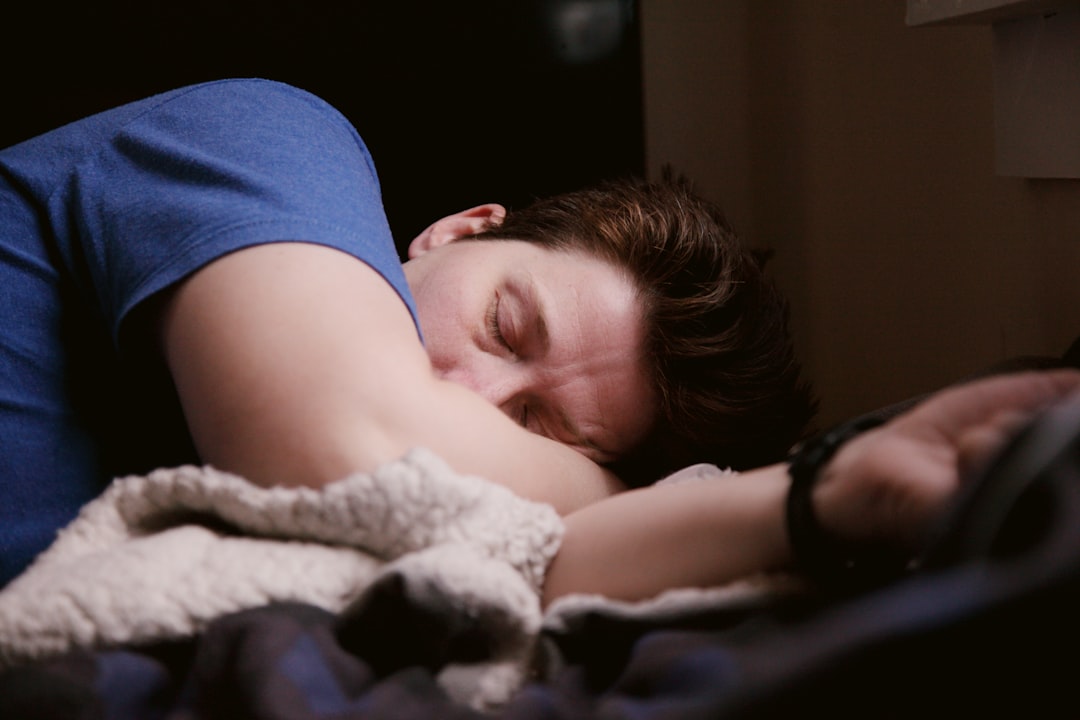
There's a real irony in spending a few hundred dollars on a device to help you sleep better, only to lie awake at 2am wondering why your deep sleep score dropped three points from the night before.
It happens more than you'd think. And it has a name.
The Problem Is Called Orthosomnia
Orthosomnia comes from the Greek words for "correct" and "sleep." In practice, it describes the anxiety that builds when you become obsessed with hitting perfect sleep data. Not sleeping better. Scoring better.
A 2017 study published in the Journal of Clinical Sleep Medicine documented real cases of this. In one that stuck with me, a woman reported feeling completely unrefreshed every morning. When she was brought into a sleep lab, the measurements showed she was actually getting several solid hours of deep sleep. But her Fitbit had been telling her otherwise for months, and she trusted the device over her own body.
That detail says a lot.
The Data Is More Limited Than the Marketing Suggests
Most consumer sleep trackers detect movement and heart rate variability. What they don't do is measure brain activity, which is what clinical sleep staging actually requires. So when your watch reports 44 minutes of deep sleep last night, it's making an educated inference, not a medical measurement.
James Wilson, known as The Sleep Geek, describes a spiral he sees regularly. Poor sleep leads to a bad score, the bad score creates worry during the day, and that worry makes the following night harder. The Sun covered this pattern in detail, and it's an accurate description of how the cycle compounds.
The tracker isn't exactly lying. It's just limited. The problem is we treat its output like a verdict.
This Is Bigger Than Sleep
Sleep obsession sits inside a wider culture that has turned health into a performance metric. Track your steps. Measure your HRV. Score your readiness. Log everything.
The anti-optimization wellness movement is pushing back on exactly this, and the argument is simple: when you turn rest into a task to be measured and improved, you strip away the thing that makes rest actually work, which is the ability to switch off.
Sleep is one of the few things in life you genuinely cannot force. You can create the conditions for it. You can remove obstacles to it. But you cannot grind your way to a better night.
What Actually Moves the Needle
Here's what the evidence keeps pointing back to, and none of it is flashy.
A consistent wake time. Not a consistent bedtime. When you wake up at the same time every day, your body's circadian system starts to anchor around that signal. Everything else follows.
Going to bed when you're actually tired. Not at a prescribed hour. Not because your score says recovery is low. When your body tells you. That relationship with your own tiredness is worth more than any algorithm.
Cutting alcohol in the evening. Even one or two drinks might help you fall asleep faster, but they suppress REM sleep, the stage linked to emotional processing and memory. You can spend eight hours in bed and still wake up foggy because the quality simply wasn't there.
Treating bed as a place for sleep. If you're lying awake most nights stressed about your tracker data, your brain is slowly learning to associate your bed with stress. That association is stubborn and takes time to reverse.
So Should You Just Stop Tracking?
Not necessarily. Sleep data has real value when you zoom out and look at trends over weeks rather than obsessing over nightly scores. You might notice that quality dips during stressful project deadlines, or that morning exercise consistently pushes your numbers up, or that a late coffee has more impact than you thought.
That kind of pattern recognition is genuinely useful.
The issue is checking your score the moment you wake up and letting it set the emotional tone for the whole day. A bad number on a morning when you feel fine shouldn't tank your mood. And a good number on a morning when you feel exhausted shouldn't convince you that you're imagining things.
One Way to Reframe It
Think of your sleep data the way you'd think of a weather forecast. Useful context. Not absolute truth. You still get dressed based on how you feel when you step outside, not purely because an app predicted rain.
If you notice that a bad tracker score has started to ruin your morning before the day has even started, that's the signal worth paying attention to. The device is supposed to serve you. When it flips around and starts running the show, something has gone wrong.
Your body knew how to sleep long before wearables existed. Give it a little credit.
Frequently Asked Questions
What is orthosomnia?
Orthosomnia is a term used to describe the sleep anxiety that develops when someone becomes preoccupied with achieving perfect sleep tracker data. Instead of sleeping better, they become more stressed about sleeping, which often makes their sleep worse.
Can a sleep tracker actually make insomnia worse?
Yes, it can for some people. Research published in the Journal of Clinical Sleep Medicine found that obsessing over sleep scores can create a feedback loop: poor sleep generates a bad score, worry about the score disrupts the following night, and the cycle continues.
Should I stop using my sleep tracker?
Not necessarily. Tracking sleep trends over weeks can reveal useful patterns. The problem is checking scores every morning and letting a single number dictate how you feel. Using data as broad context rather than a daily verdict tends to work better.
How accurate are consumer sleep trackers at measuring sleep stages?
Consumer devices use movement and heart rate signals to estimate sleep stages. They don't measure brain activity, which is the clinical standard. Their stage estimates are educated guesses, not precise measurements, so treating the data as approximate rather than exact is more realistic.
What actually improves sleep quality without obsessing over data?
A consistent wake time, going to bed only when genuinely tired, limiting alcohol in the evening, and associating your bed with sleep rather than stress are the changes that research consistently points to. None of them require a tracker.
How do I know if sleep tracking is hurting me?
If you feel anxious about your sleep before you even get into bed, if a bad score ruins your morning despite feeling reasonably rested, or if you find yourself making increasingly rigid rules around sleep to improve your data, those are signs the tracking habit may be working against you.