
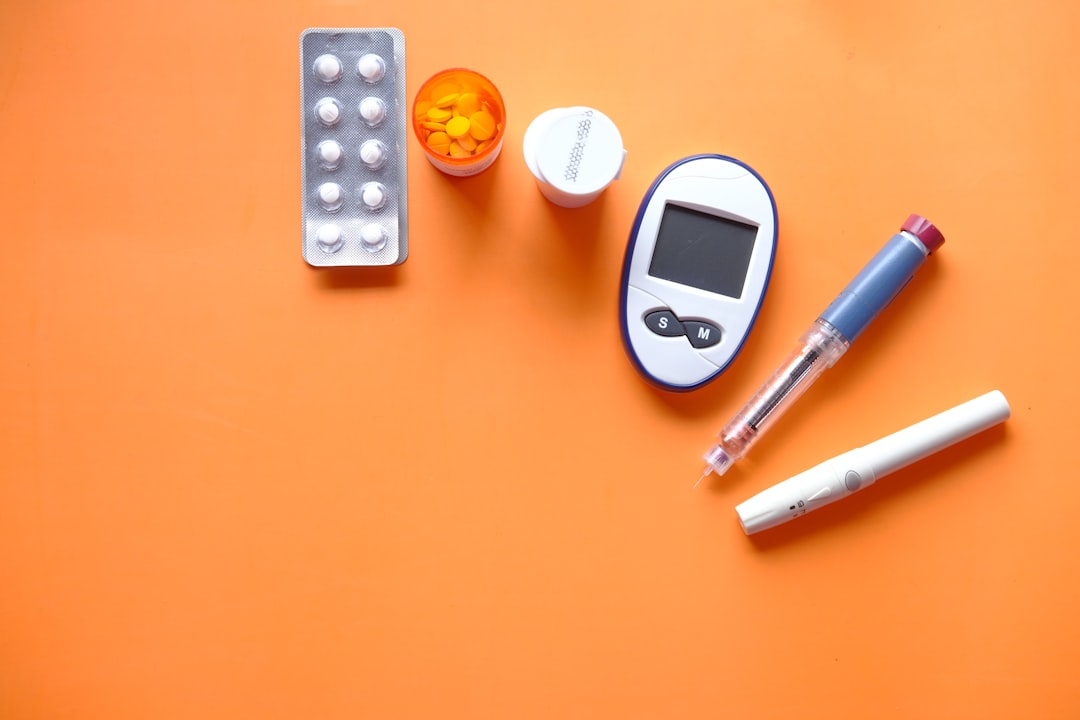
High blood sugar is one of those conditions most people associate with clear, hard-to-miss signals. Weight that won't budge. Constant thirst. Fatigue that stops you mid-afternoon. The reality is messier than that.
Doctors are increasingly pointing out that elevated blood glucose can run completely under the radar for years, even in people who exercise, eat reasonably well, and feel like themselves. Research and clinical observation in India shows that undetected diabetes is far more common than official numbers reflect, and that looking healthy is one of the reasons people skip the screening that would catch it.
This is not a small edge case. It is a widespread pattern.
Why It Stays Hidden for So Long
Your body is surprisingly good at compensating. When blood sugar starts climbing, the pancreas works harder to produce more insulin. For a while, this keeps everything looking normal from the outside. You are not dramatically gaining weight. You do not feel ill. Nothing is prompting you to see a doctor.
The problem is that compensation has limits. Over months and years, insulin resistance builds, the pancreas begins to struggle, and the internal damage accumulates quietly in blood vessels, nerves, and organs you are not monitoring. By the time the classic symptoms appear, the condition has usually been running for a while.
The other reason it hides is simpler: people do not screen for something that is not bothering them. There is no strong signal telling you to go get a blood test when you feel fine.
The Organ Most People Do Not Think About
When most people think about diabetes complications, they picture heart disease, kidney damage, or eye problems. Those are real. But there is a direct and underappreciated link between chronically high blood sugar and fatty liver disease that most people are not aware of.
When blood glucose stays elevated over time, the liver responds by storing the excess as fat. This can progress to non-alcoholic fatty liver disease, which itself has no obvious symptoms and can quietly worsen into something more serious. Two silent conditions running together for years, neither of them announcing themselves clearly.
The organs connected to blood sugar dysregulation are more numerous than the typical awareness around diabetes suggests. This is worth knowing not to cause alarm, but because it changes how urgently you might treat a routine screening.
What a Blood Test Actually Tells You
A standard fasting glucose test gives you a point-in-time snapshot. More useful is the HbA1c test, which shows a three-month average of your blood sugar levels. One number, meaningful context.
HbA1c is harder to accidentally pass by eating lightly the night before. It reflects what has actually been happening in your body over time, not just on the morning you showed up at the clinic. Both tests are inexpensive and widely available, and both are things many adults in their 30s and 40s skip entirely because they feel well.
For most adults with no known risk factors, a baseline HbA1c in the early 30s is a reasonable starting point. If there is family history of diabetes, higher body weight, or you are South Asian (where metabolic risk tends to be higher even at lower BMIs), more frequent screening is worth discussing with a doctor.
What Research Is Quietly Exploring
On the clinical side, surgeons at Cuyuna Regional Medical Center in Minnesota are part of an international study exploring metabolic and surgical approaches to Type 2 diabetes management. Early participants are seeing improvements in fasting glucose, HbA1c, and other metabolic markers.
What matters here is not just the results. It is what the research signals: the medical community is increasingly treating diabetes as a systemic metabolic condition that needs aggressive, proactive management, not just lifestyle advice and a prescription to come back in six months. Prevention and early detection are part of that picture.
Signs That Are Easy to Dismiss
Feeling fine is not the same as being fine. A few things worth paying attention to:
Cuts or wounds healing more slowly than they used to
Tingling or numbness in the feet or hands
Frequent urination, especially waking at night
Recurring infections that keep coming back
Fatigue that does not improve with rest
None of these alone tell you much. But if two or three are showing up regularly, that is a reason to get an HbA1c rather than attribute everything to stress or getting older.
The simplest thing you can do is ask for a blood sugar test at your next routine visit. If everything is normal, you will know. If it is not, you caught it before it had years more to run quietly in the background.
Looking healthy is genuinely good. It is just not the same as being metabolically fine.
Frequently Asked Questions
Can you really have high blood sugar with no symptoms at all?
Yes. Many people with elevated blood glucose have no noticeable symptoms for years. The body compensates by producing more insulin, which keeps things feeling normal on the outside even as internal damage accumulates. This is exactly why routine screening matters, not just testing when something feels wrong.
What is HbA1c and why does it matter more than a regular glucose test?
HbA1c measures the percentage of hemoglobin coated with sugar over the past two to three months. A standard fasting glucose test only shows your blood sugar at one moment in time, which can vary based on what you ate recently. HbA1c gives a longer-term picture, making it a more reliable indicator of what is actually going on.
Can high blood sugar damage my liver even if I do not drink alcohol?
Yes. Non-alcoholic fatty liver disease is directly linked to elevated blood glucose. When blood sugar stays high over time, the liver stores the excess as fat. This is entirely separate from alcohol-related liver damage and can develop silently in people who look and feel healthy.
How often should I get my blood sugar checked?
For adults with no known risk factors, a baseline fasting glucose or HbA1c in the early 30s is a sensible starting point. If you have a family history of diabetes, are South Asian, carry higher body weight, or have been flagged for pre-diabetes before, annual testing is more appropriate.
Are people who exercise and eat well protected from high blood sugar?
Not automatically. A healthy lifestyle significantly reduces risk, but it does not eliminate it. Genetics, insulin sensitivity, and other metabolic factors mean that people who appear fit and active can still have elevated blood sugar. Screening is the only reliable way to know where you actually stand.
What is pre-diabetes and how serious is it really?
Pre-diabetes means your blood sugar is above normal but not yet at the threshold for a diabetes diagnosis. It is not a harmless label. Without meaningful changes in diet, activity levels, and sometimes medication, a significant proportion of people with pre-diabetes go on to develop Type 2 diabetes within ten years. Catching it at this stage is genuinely useful.