
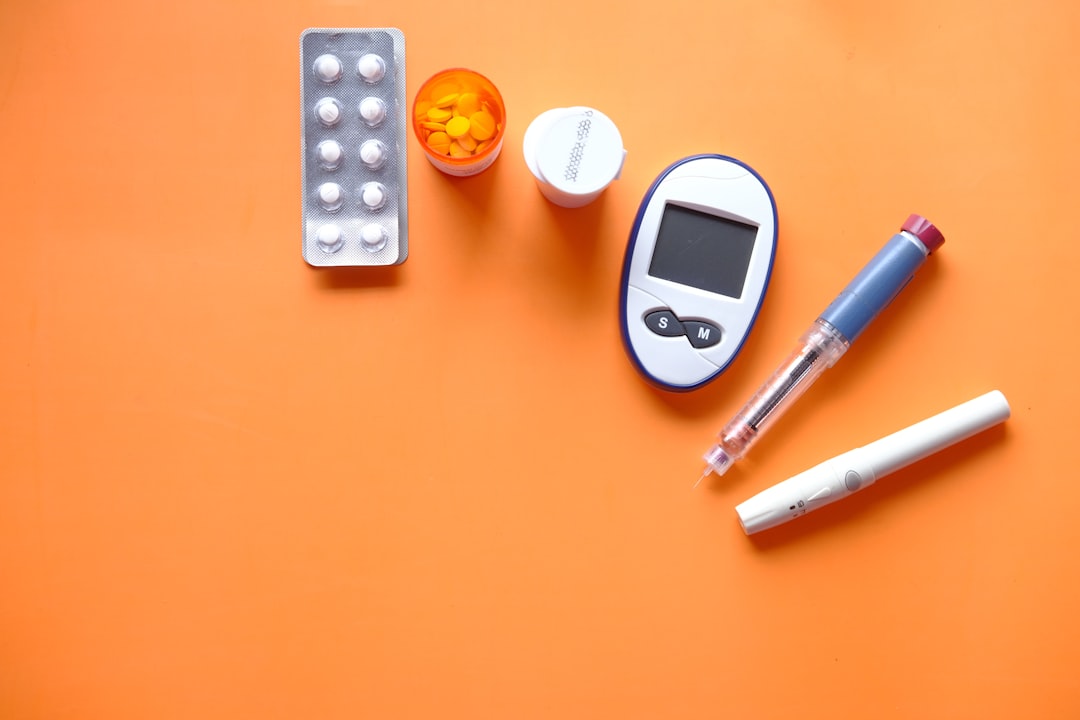
Actor Ram Kapoor recently shared something on Lock Upp Season 2 that caught a lot of people off guard. He said his blood sugar had climbed past 600 mg/dL while he was shooting 14-hour days at the height of his television career. Doctors had warned him he had six months left if things didn't change. He was taking insulin three times a day and still showing up on set.
Most people reading that probably thought: that's really bad. But few actually understand why 600 is so much more dangerous than, say, 200 or even 300.
Let me break it down.
Normal Is 70 to 100. So 600 Is About Seven Times That.
A healthy fasting blood sugar sits between 70 and 100 mg/dL. When you eat, it rises and comes back down. That's the system working correctly.
At 600 mg/dL, the system isn't just struggling. It's failing. Your kidneys are trying to dump excess glucose through urine, and they pull huge amounts of water out with it in the process. We're talking 8 to 10 litres of fluid potentially lost from your body. Severe dehydration follows. Blood pressure drops. The blood itself thickens. Thick blood moves slower, and slower blood raises the risk of clots, stroke, and heart attack.
The brain, kidneys, and heart are all under pressure simultaneously. That's what makes this a medical emergency and not just a bad reading, as explained in the India Today report on dangerously high blood sugar levels.
Two Different Crises, Both Serious
Doctors describe two distinct emergencies that can unfold at extreme blood sugar levels.
The first is Diabetic Ketoacidosis (DKA). More common in Type 1 diabetes. Blood sugar typically lands between 250 and 600 mg/dL, and the body starts producing ketones, acidic byproducts that build up in the blood. It moves fast.
The second is Hyperosmolar Hyperglycaemic State (HHS). More common in Type 2 diabetes. Blood sugar can exceed 600 mg/dL and sometimes reaches 800 or even 1,000. The problem with HHS is that it develops slowly, over several days. Many people don't realise how sick they've become until they're already in the emergency room. HHS carries a mortality rate of around 10 to 20 percent. That isn't a small number.
The Part Nobody Talks About
Here's the uncomfortable truth: a lot of people find out they have diabetes for the first time in an ambulance.
Diabetes can stay quiet for years. No dramatic symptoms, nothing that makes you think to get tested. Then something triggers a spike, an infection, pneumonia, a urinary tract infection, sepsis, and suddenly blood sugar is at 500 or 600 and the person is confused, barely conscious, severely dehydrated. That isn't rare.
And the broader research backs this up. A study published in JAMA Cardiology that analysed data from 1990 to 2023 found that while overall heart disease deaths have declined, the burden of ischemic heart disease linked to high fasting blood glucose actually increased by 38.8% since 1990. We've made real progress on smoking and air pollution. But metabolic health, blood sugar, BMI, and cholesterol, is moving in the wrong direction.
Close to 88.7% of all ischemic heart disease deaths in 2023 were tied to modifiable risk factors. High blood sugar is sitting near the top of that list.
Signs That Blood Sugar Is Heading Somewhere Dangerous
You don't need to be at 600 for this to matter. The warning signs that things are escalating include:
Urinating far more than usual
Extreme thirst that doesn't quit
Confusion or difficulty concentrating
Blurred vision
Rapid breathing or shortness of breath
Nausea or vomiting
If someone around you is showing confusion alongside these symptoms, don't wait and see. Get to a hospital.
And if you haven't had a blood glucose check in a while, that's probably the most straightforward thing you can do today. A fasting blood sugar test is quick and cheap. High blood sugar rarely announces itself clearly before things get serious.
Frequently Asked Questions
What blood sugar level is considered a medical emergency?
Generally, a blood sugar reading above 400 mg/dL is cause for concern, and anything above 600 mg/dL is typically treated as a medical emergency. At that level, the body can begin losing dangerous amounts of fluid and electrolytes, putting the heart, kidneys, and brain at serious risk.
What actually happens inside your body when blood sugar reaches 600 mg/dL?
Your kidneys try to flush out excess glucose through urine and pull large amounts of water with it. This causes severe dehydration, a drop in blood pressure, and blood that thickens, increasing the risk of clots, stroke, and kidney injury. Electrolyte levels, including potassium and sodium, also become dangerously imbalanced.
What is the difference between DKA and HHS?
Diabetic Ketoacidosis (DKA) usually affects people with Type 1 diabetes and develops quickly, with blood sugar typically between 250 and 600 mg/dL alongside a buildup of acidic ketones. Hyperosmolar Hyperglycaemic State (HHS) is more common in Type 2 diabetes, develops more slowly over days, and often involves blood sugar above 600 mg/dL with severe dehydration. HHS is often more dangerous because people don't realise how sick they are until late.
Can someone have no idea they have diabetes until blood sugar hits 600?
Yes, and it happens more than most people expect. Diabetes can develop silently over years with few obvious symptoms. A sudden trigger like an infection or illness can push blood sugar into emergency territory, and that hospital visit becomes the first time someone learns they have the condition.
Does high blood sugar actually increase the risk of heart disease?
Yes. Research published in JAMA Cardiology found that the burden of ischemic heart disease linked to high fasting blood glucose rose by 38.8% between 1990 and 2023 in the US. High blood sugar is one of the leading modifiable risk factors contributing to heart disease deaths today.
How do I know if my blood sugar is getting dangerously high?
Watch for excessive urination, extreme thirst, confusion, blurred vision, rapid breathing, and nausea. If multiple symptoms appear together, especially confusion or weakness, treat it as urgent and seek medical attention rather than waiting to see if it settles on its own.